A quick treatment could prevent you and your family from living with mould poisoning
Minimal disruption to your life, fast service and a comprehensive report upon completion
Fill out the form below to receive a free quote within 24 hours

TESTIMONIALS
What Others Are Saying
Why Should You Take Mould Seriously?
Mould makes it harder to breathe and it's more common than you think.
Nearly half of all homes have mould or smell like mould.
A big study looked at what happens when people live with mould. It found that mould makes you 50% more likely to get asthma. It also makes coughs, wheezing, and chest infections worse. This study has been used by over 1,300 other researchers - it's one of the most trusted in the world.
The World Health Organisation says mould causes about 1 in every 5 cases of asthma. That's a lot. Asthma is already one of the most common health problems in Australia - and mould is one of the main reasons people get it.
New homes can have this problem too. They're built to keep air in so they use less power. But that also traps moisture inside. If mould starts growing, the air has nowhere to go, and your family breathes it in all day and all night.
Mendell et al., Environmental Health Perspectives, 2011 WHO Guidelines for Indoor Air Quality: Dampness and Mould, 2009
Mould produces invisible toxins that mess with your immune system.
Most people think mould just gives you a runny nose. It does a lot more than that. Mould makes tiny poisons called mycotoxins. You can't see them. You can't smell them. But a study cited over 300 times found they hurt your body in serious ways.
They go straight to your lungs. When you breathe in mycotoxins, they cause swelling in your airways. They skip past your liver, the part of your body that normally cleans out bad stuff and go right into your blood.
They weaken your body's defences. Mycotoxins make it harder for your body to fight off germs. People often feel tired and keep getting sick but don't know why.
They upset your stomach. Common indoor mycotoxins cause belly pain, feeling sick, and diarrhoea. Most people blame the food they ate but the real problem is in the air.
Kids are hit the hardest. Research on children aged one to five showed that the more mycotoxins they were around, the less they grew. The worst-affected kids were nearly 2cm shorter than they should have been.
The IICRC now lists mycotoxins as a known danger, even when you can't see any mould. That means a home can look clean and still have a problem hiding inside it.
Children who grow up in mouldy homes are significantly more likely to develop asthma.
A big study in 2024 looked at 32 other studies from around the world. It wanted to answer one question: does growing up in a mouldy home give kids asthma?
The answer was yes. Kids living in homes with mould were 53% more likely to develop asthma than kids in homes without it. The studies that followed kids for longer found the risk was even higher, meaning the more time a child spends around mould, the worse it gets.
Kids' lungs and immune systems are still growing. That makes them more sensitive to what's in the air. Mould isn't just making asthma worse for kids who already have it, it's causing kids to get asthma in the first place.
Varga, Moshammer & Atanyazova, Wiener Klinische Wochenschrift, 2024 https://pmc.ncbi.nlm.nih.gov/articles/PMC11794369/
STILL NOT SURE?
Frequently Asked Questions
Are the chemicals you use dangerous?
No - Most of the chemicals we use are biodegradable and environmentally friendly.
What causes mould to grow inside homes?
Mould grows when excess moisture is present. Common causes include water leaks, poor ventilation, high indoor humidity, condensation, flooding, or plumbing issues. Mould spores are always present in the air, but they only grow when moisture conditions allow. When humidity is above 55% mould will begin to grow.
It's just a bit of bathroom mould. Isn't that normal?
A small amount of mould in wet areas can be common, but that doesn't mean it's safe. The IICRC — the international body that sets mould remediation standards — classifies even low-level mould environments as potentially hazardous because of invisible toxins called mycotoxins. What looks like "just a bit" on the surface can be much bigger behind walls, under flooring, or in ceiling cavities.
Is mould dangerous to my health?
Yes. Mould exposure can trigger respiratory problems, allergies, asthma flare-ups, headaches, fatigue, and skin or eye irritation. Long-term exposure, especially in damp environments, can significantly impact indoor air quality and overall health.
My parents' house had mould and we all turned out fine.
You might have, and we're glad. But the research shows not everyone does. A peer-reviewed birth cohort study found children exposed to mould for more than two years were three times more likely to fall into the low IQ range. Just because symptoms aren't obvious doesn't mean there's no effect. The science has come a long way since our parents' generation, and now we know more about what mould actually does to the body.
Why does mould keep coming back after cleaning?
Mould returns when the underlying moisture source is not resolved. Surface cleaning alone may remove visible mould, but without fixing leaks, ventilation, or humidity issues, mould will regrow. Surface treatment is a cheap quick bandaid fix which often will not completely solve the mould problem.
We've lived here for years and we're all fine. Wouldn't we know if mould was a problem?
Not necessarily. Mould-related health issues often show up as things you'd blame on something else — tiredness, blocked sinuses, kids getting sick more often, trouble sleeping. Research shows these symptoms build gradually, so most families don't connect the dots until the problem is already serious. A proper inspection can tell you for sure.
Can mould cause respiratory issues or allergies?
Yes. Mould spores and fragments can irritate the respiratory system, aggravate asthma, and cause allergic reactions such as coughing, sneezing, sinus congestion, and shortness of breath.
Can't I just clean it myself with something from the supermarket?
Surface sprays kill what you can see, but they don't address the root cause — moisture — and they don't remove mycotoxins that have already spread into the air and materials. The IICRC S520 standard specifically requires physical removal of mould contamination before any antimicrobial treatment. Without that, you're wiping the surface while the problem keeps growing underneath.
Is mould more dangerous for children, elderly people, or pets?
Yes. Children, elderly individuals, pets, and people with asthma or weakened immune systems are more vulnerable to mould exposure and may experience stronger or longer-lasting symptoms.
How do I know you won't just come in, find a 'problem,' and quote me thousands?
We follow the IICRC S520 standard, which requires independent post-remediation verification. That means a separate inspector confirms the work was done properly — we don't mark our own homework. We also explain exactly what we find, show you photographic evidence, and walk you through your options before any work begins.
Should I leave the house during mould remediation?
It depends on the job. Once we have conducted a thorough inspection and diagnosed the problem we can have a discussion about what is required. More often than not, it is not necessary.
This feels like a scare tactic to sell me something I don't need.
We get it — there's a lot of fear-based marketing out there. That's why everything we share is backed by peer-reviewed research, not opinions. The World Health Organisation links indoor mould to 1 in 5 asthma cases. A six-year university study found children in mouldy homes scored significantly lower on cognitive development tests. These aren't sales claims — they're published findings you can look up yourself.
Is 'mould poisoning' even a real thing? My doctor's never mentioned it.
Most GPs aren't trained to identify mould-related illness — it's not part of standard medical education in Australia. But the condition is well-documented in peer-reviewed literature. Mycotoxin exposure has been shown to dysregulate the immune system, damage respiratory lining, and impair cognitive function. If you suspect mould is affecting your health, we can help you get the evidence you need to have that conversation with your doctor.
Do you remove mould or just kill it?
It depends on the surface. Porous materials require removal, Non-porous or sometimes semi-porous often can be treated rather than removed.
I rent, so isn't that the landlord's problem?
Your landlord is responsible for fixing the source of the moisture, yes. But while you wait for that to happen, your family is still breathing it in. We can assess the situation, give you a clear report you can take to your landlord or property manager, and help you understand what's actually going on in your home right now.
How long does it take?
Every job in different but small jobs may only take a day for treatment to be complete.
I can't really afford this right now.
That's fair, and we won't pretend it's free. But consider this: the average Australian family spends thousands a year on GP visits, medications, and sick days that may be connected to poor indoor air quality. A mould assessment gives you a clear answer — and if there's no issue, you've bought peace of mind. If there is, you've caught it before it gets more expensive to fix.
Are the products you use safe for families and pets?
Yes. We use professional-grade products designed for indoor environments and apply them using controlled methods. Safety precautions are always followed.
I just don't want someone coming into my house and judging how we live.
We're not here to judge — mould is often a building problem, not a cleanliness problem. It can be caused by moisture, ventilation, and construction issues. Some of the worst cases we've seen are in newer builds. This isn't about how you keep your home. It's about what's happening inside the structure itself.
“As a GP, I have often encountered patients whose health has been affected by indoor Mould exposure. Mould releases microscopic spores and mycotoxins that can irritate the eyes, nose, throat, and lungs, leading to symptoms such as coughing, wheezing, sinus congestion, and severe worsening of asthma. Long-term exposure can also contribute to fatigue, headaches, and increased susceptibility to sinus and chest infections.
Keeping your home Mould free is one of the most effective ways to protect your respiratory health and overall wellbeing. Inspection and remediation with qualified professionals—like the services provided by Mould Mates—give homeowners peace of mind that their living environment is safe and healthy. Knowing the problem has been properly treated allows people to breathe easier, sleep better, and feel comfortable in their own homes again.”
— Dr. Louise Batchelor, MBBS
Does This Sound Familiar?
Feeling like you have allergies out of season
There is a musty smell in your home from time to time
You have cleaned the mould but it seems to keep coming back
Don't worry, we can help!
Our services
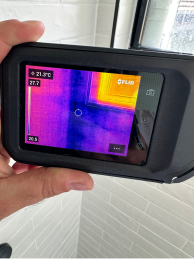
Mould Causation Inspection & Report
We use advanced tools to detect unseen moisture, leaks and moisture pathways in walls, ceilings and subfloors that are the root cause of your mould problem.
Once the causation is identified, within 24hrs, all findings are compiled into a digital report with photos, moisture readings, causation and our recommendations for a permeant solution.
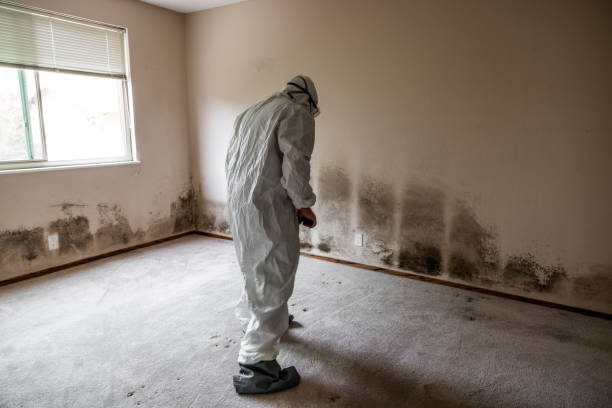
Mould Remediation & Removal
We provide expert mould remediation services through out Queensland and New South Wales.
With proven Methods to effectively treat and eliminate mould. Our specialists are trained in source removal to completely remove mould from your property.
We provide customised treatment plans suited to your needs and the unique requirements of each job.
We provide instruction and advice on how to prevent mould from coming back so you won't have to worry about mould again.
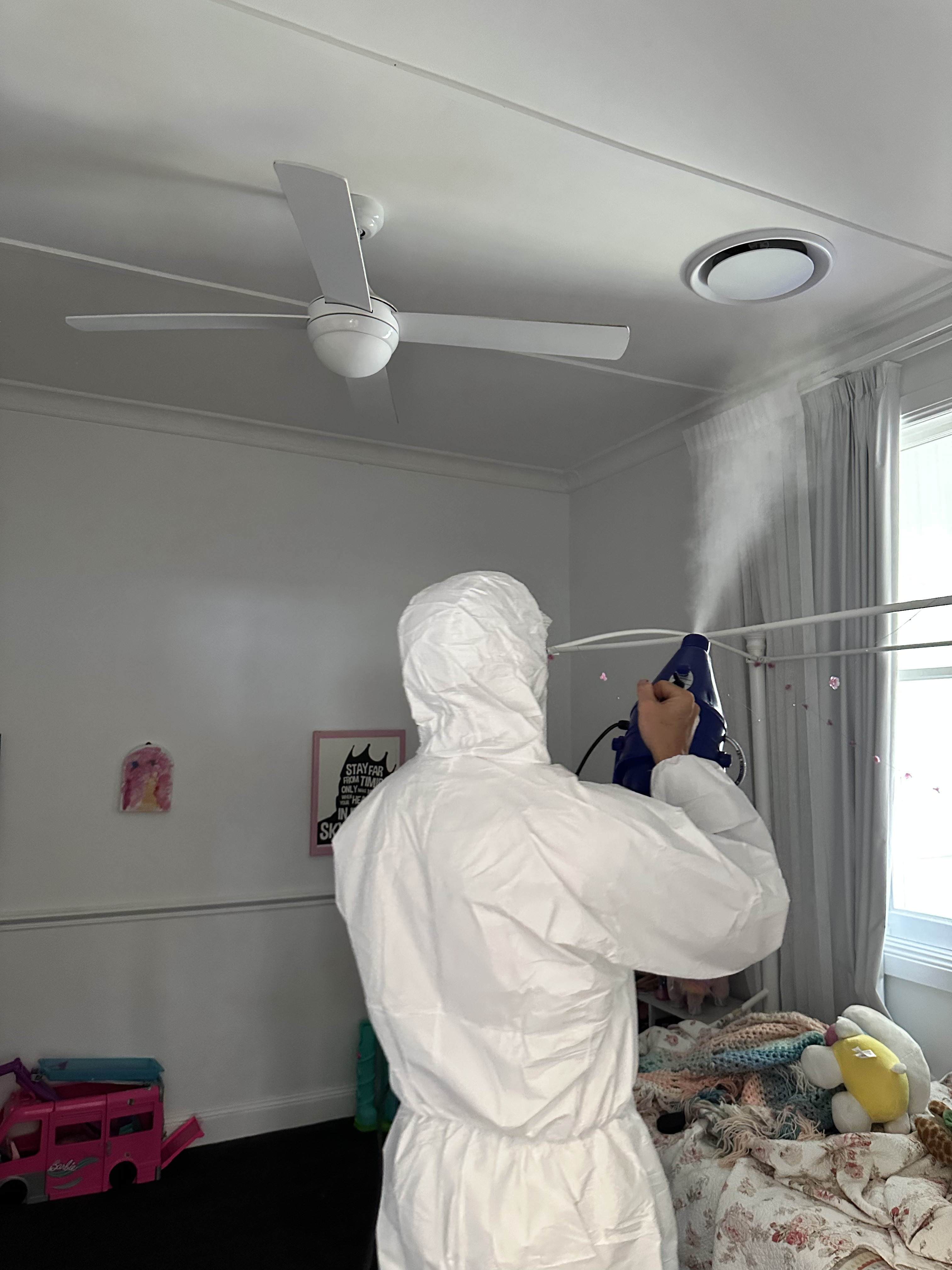
Mould Treatment
Our treatment packages include detailed surface cleaning to remove visible mould and contamination. In most cases, repainting is not required. This process helps to restore the appearance of affected areas quickly and cost-effectively.
We finish with a professional mould misting treatment we call fogging. Designed to help protect your indoor environment.
All essential steps are completed quickly and efficiently. Allowing you to return home the same day
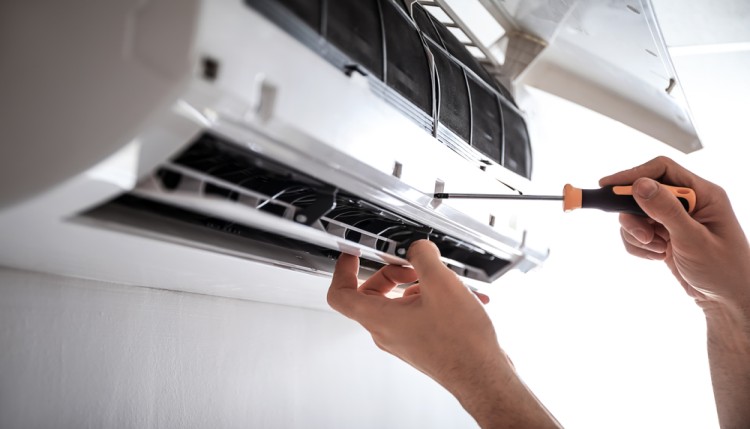
HAVAC Cleaning
Your Air-conditioner/heater will circulate mould spores, dust and allergens throughout your home if not cleaned regularly.
Our technicians are trained to properly assess your unit, dismantle and deeply clean the system, using non-toxic antimicrobial agents to remove mould, dust and allergens, without risking damage to the unit.
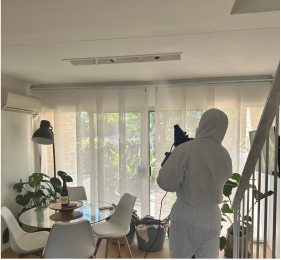
Fogging
Fogging is an extra step which aids in killing off airborne spores. This helps to prevent mould from coming back.
The fogging agent is non-hazardous, biodegradable and not harmful to any contents.
The process distributes a mist right throughout the property to help prevent mould growth from spores which may have traveled there from the original contaminated zone.
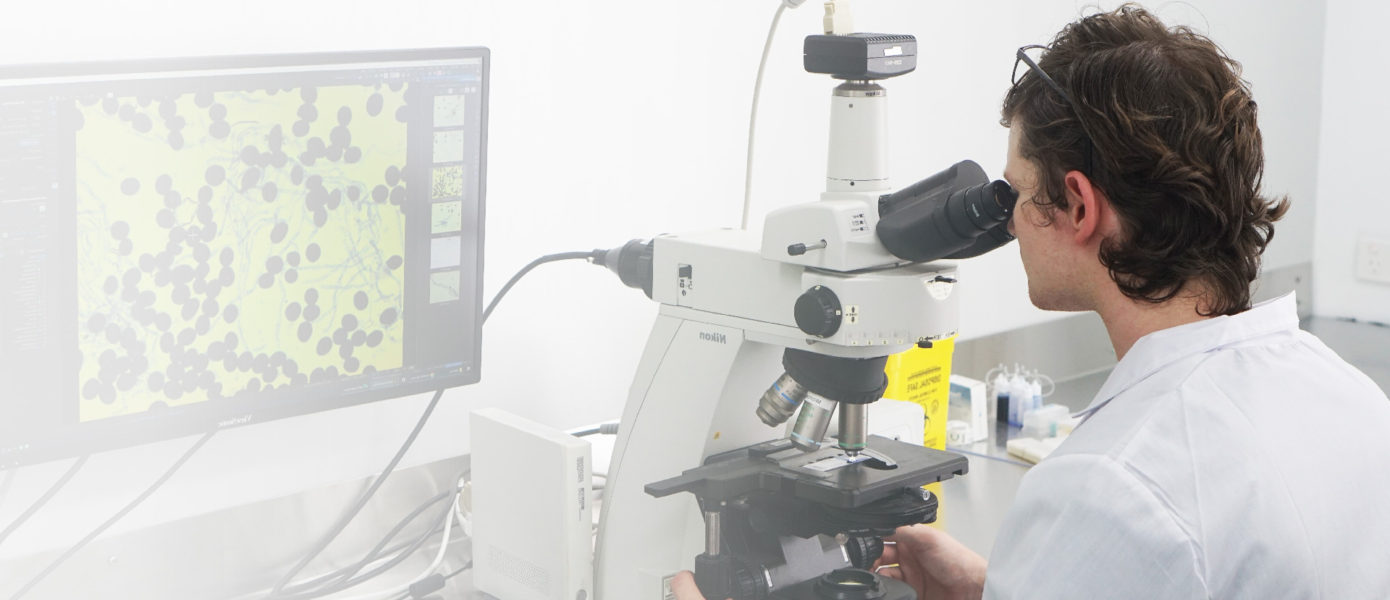
Scientific Lab Testing
We go beyond a visual inspection. Our certified technicians collect air and surface samples for analysis by an accredited independent laboratory in Brisbane.
This provides a quantifiable report on the exact type and concentration of mould spores, giving you the definitive proof needed for any health, property, or legal concern.
You will receive a detailed, easily digestible report, outlining mould types & concentration. Ideal for health concerns, property disputes and insurance claims.
Our Story
"Mould Mates was created out of frustration with an industry that often treats mould as a cosmetic issue rather than a building and health problem.
For most of my younger life, my family and I lived in mouldy rental properties, Everyone in the home had constant health issues despite leading a healthy lifestyle and diet.
Too often, we saw mould “treated” with a quick clean, wiped with bleach or painted over, only for it to return weeks or months later. The moisture source, the causation, was ignored. Contaminated materials were left in place, and we were left thinking the problem was fixed, when it wasn’t.
Later in life after many years in the construction industry, I understood how buildings are constructed, how moisture moves, and why shortcuts fail. I also saw too many operators cutting corners building flawed homes destined to have long term issues.
So I stepped away to build something better.
Mould Mates exists to provide high-quality mould remediation that actually works. We focus on proper assessment, correct removal, and long-term prevention—so mould doesn’t keep coming back."
Travis Ahern
Founder/CCO
“As an experienced carpenter, building architectural homes and renovations for well over 10 years now, and studying a bachelor’s degree of Construction Management, I understand the value and importance of a home to the owner and their family. Amenity of a home is priceless in my view, and our goal is to ensure you feel supported and informed throughout the process of maintaining a safe environment.
Mould isn’t just about appearance, it’s about health, safety, and peace of mind. That’s why we take the time to understand the cause of every issue and provide lasting solutions. Our team prides itself on being professional, reliable, and prompt, and we treat every home or property as if it were our own. We stand by our work, because we believe in doing things properly the first time and keeping your space healthy for the long term”
Nick Smart
Founder/Operations manager